FREE NZ DELIVERY FOR ORDERS OVER $75
How to Strengthen Coloured, Bleached & Damaged Hair
The Cost of Great Hair Isn’t Just at the Salon
Keeping your hair in great shape isn’t cheap.
Between root touch-ups, balayage appointments, toners, trims, and that inevitable splurge on a totally new hue, maintaining colour-treated hair is practically a part-time job. (Not to mention the emotional damage of seeing your creamy blonde fade to a weird bronze in just three weeks.)
That’s why it’s so frustrating when your hair starts feeling rough, limp, or stretchy not long after a fresh colour. You’ve invested serious time and money into it, so why does it suddenly look like it’s been through the wringer?
Damage doesn’t always show up in dramatic breakage or fried ends right away. Most of the time, it creeps in slowly - especially after colour, bleach, or chemical treatments - making your hair weaker and more fragile bit by bit. And the longer you ignore it, the harder (and pricier) it becomes to fix.
The good news? If you catch it early and start strengthening your hair before things get worse, you can avoid that dreaded “dead from root to tip” feeling!
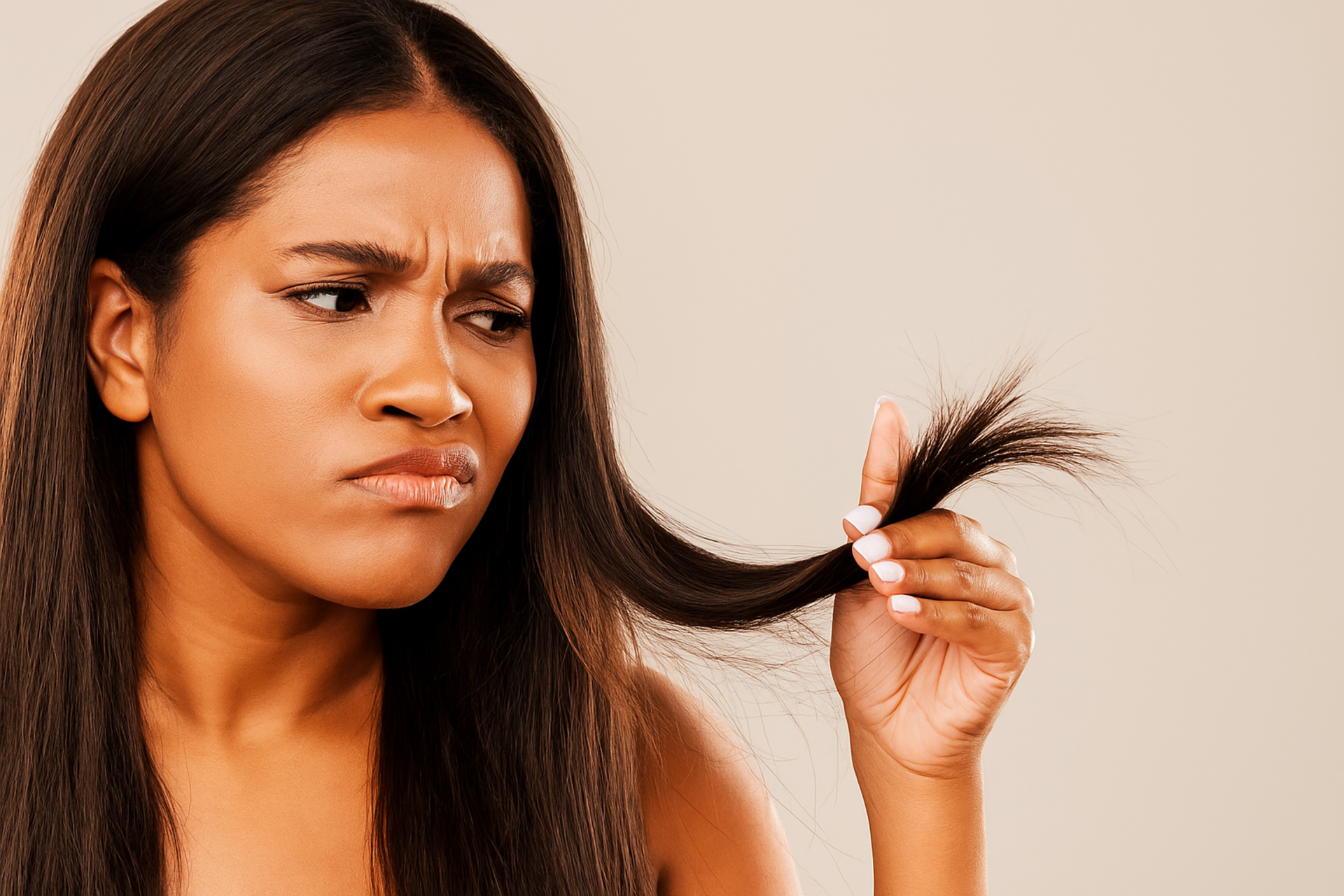
🚩 Early Signs of Hair Damage to Watch For
Hair damage doesn’t always look like a full-blown disaster. In fact, it often starts subtly - just enough for you to think, “Hmm, that’s weird,” before it quietly snowballs into snapping ends, faded colour, and a whole lot of regret.
If any of these sound familiar, your hair’s waving a little white flag:
✘ Your hair feels gummy, stretchy or spongey when wet
When your hair’s healthy, it has a soft, slightly elastic feel when wet - kind of like a silk ribbon. But if it starts feeling mushy, overly stretchy, or like it might snap if you pull too hard? That’s a classic sign the inner structure (aka the protein bonds) is breaking down.
This often shows up after bleach, colour stripping, or overuse of chemical straighteners. Think: running your fingers through damp hair and it feels like chewing gum… not ideal.
✘ It tangles and knots at the drop of a hat
You’re using a conditioner. You’re brushing gently. And yet, your hair still turns into a bird’s nest by midday.
When your strands start clinging to each other more than usual, it’s often because the outer cuticle is rough or lifted. Damaged cuticles don’t lie flat - so your hair is more prone to catching, tangling, and forming hard-to-undo knots.
This is especially common in bleached or lightened hair, and can make brushing feel like a workout.
✘ You’re trimming split ends… but they just keep coming
If you’re noticing new split ends not long after your last haircut - or if those ends feel brittle no matter how much serum you use - it’s a sign your damage is deeper than surface level.
Once splits travel up the shaft, you may start seeing fraying halfway up the strand. These aren’t “just ends”, this is breakage waiting to happen.
Those fine, white dots near the ends of your hair? Mini fractures.
✘ Your colour won’t hold, or fades unevenly
You paid good money for that dreamy golden beige or rich chocolate tone… so why does it already look washed out?
Damaged hair doesn’t retain pigment the way healthy strands do. Porous cuticles let colour molecules slip out faster, which leads to patchiness, uneven tone, and that brassy undertone creeping back sooner than expected.
If toner seems to “vanish” after one wash, your hair might be too compromised to hold it.
✘ Your hair just… isn’t styling the way it used to
Ever notice that your go-to curling wand suddenly doesn’t curl like it used to? Or your blowdry goes limp after a couple hours?
Damaged strands lose their structure, making them harder to style and less responsive to heat tools. And if they’re dry or brittle, they might not hold shape at all.
It’s like trying to style dry spaghetti instead of al dente pasta.
✘ You’re seeing random breakage in weird places
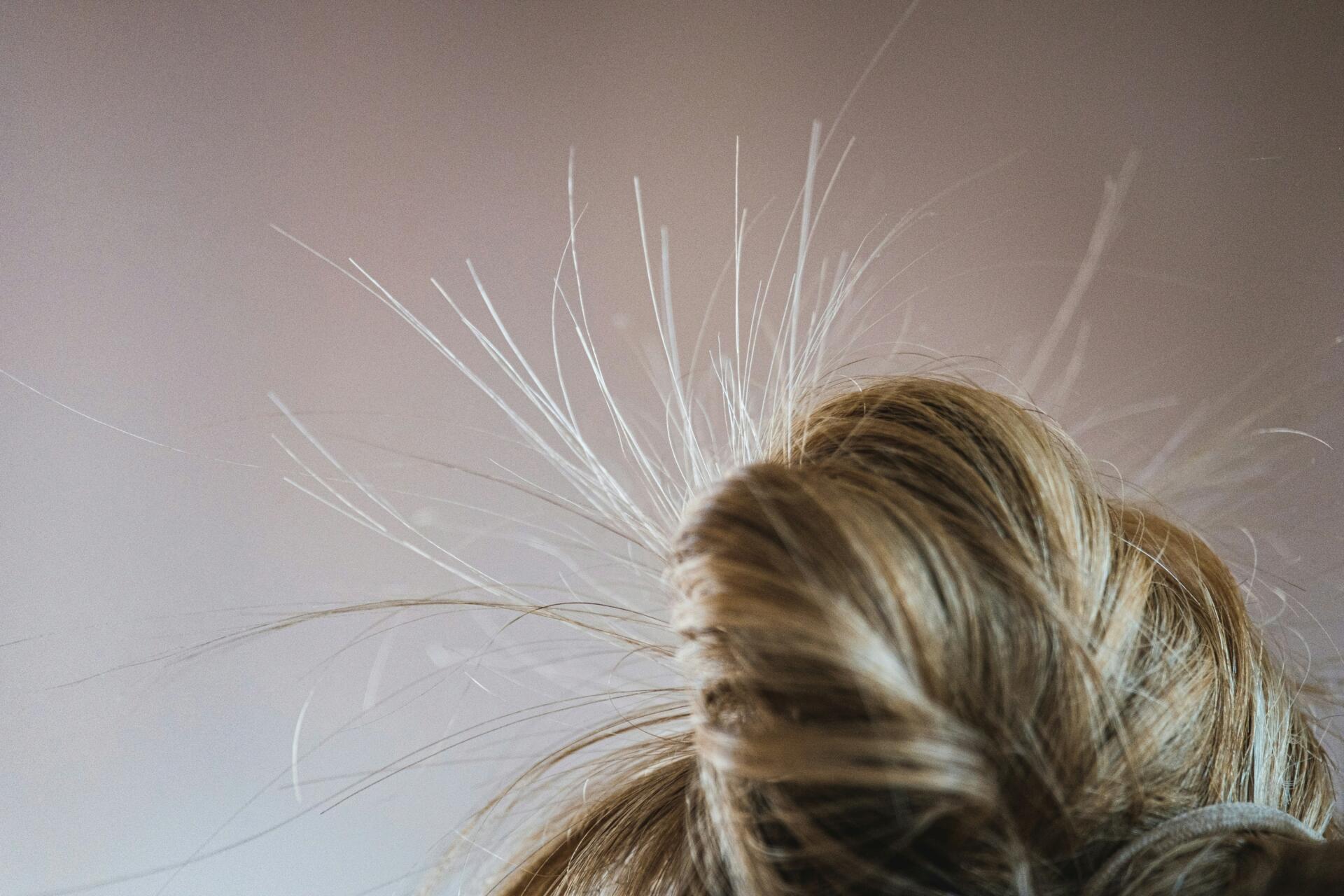
It’s one thing to have split ends. It’s another to find flyaways and breakage mid-way down the strand - especially around your crown, fringe, or part line.
This kind of breakage often happens when weakened hair is exposed to brushing, heat, or tension from hair ties. It’s common in chemically processed or heat-styled hair that’s lost elasticity.
If your baby hairs aren’t new growth… they might be broken ones.
These early warning signs are your cue to dial up the strengthening, before things spiral into full-blown damage mode.
How to Strengthen Hair That’s Already Damaged
When your hair’s been through the wringer - bleach, balayage, chemical smoothing, aggressive heat styling - you don’t just need a surface-level fix. You need to rebuild from the inside out.
Here’s how to do it right (no silk pillowcases or unicorn brushes required):
1. Treat your hair like it’s already fragile - because it is
Handle it like delicate fabric: no aggressive brushing when wet, no ripping through knots, and no yanking it into tight buns.
Why it helps:
Hair is most vulnerable when it’s wet. Brushing too hard or tying it up tightly when it’s damp can cause mechanical breakage, especially if the inner bonds are already weakened.
2. Wash gently - and make shampoo and conditioner work harder
Switch to a strengthening or bond-building shampoo and conditioner. Massage gently with your fingertips to stimulate the scalp and blood flow. And don’t just rinse out your conditioner right away - leave it in for a few minutes so it can actually do something.
Why it helps:
This routine supports scalp health (hello, future growth) while helping soften and seal compromised strands. Damaged hair needs time and nutrients - rushing the process doesn’t help.
Try these:
![Olaplex No.4 Bond Maintenance Shampoo [250ml]](https://static.holygrailhaircare.co.nz/img/products/sm/ola62160.jpg.webp)
![Matrix Instacure Build A Bond Shampoo [300ml]](https://static.holygrailhaircare.co.nz/img/products/sm/mate4199100.jpg.webp)
![Matrix Instacure Build A Bond Conditioner [300ml]](https://static.holygrailhaircare.co.nz/img/products/sm/mate4198900.jpg.webp)
![RPR Blondes Who Bond Shampoo [300ml]](https://static.holygrailhaircare.co.nz/img/products/sm/rpr84102.jpg.webp)
![RPR Blondes Who Bond Conditioner [300ml]](https://static.holygrailhaircare.co.nz/img/products/sm/rpr84103.jpg.webp)
3. Invest in proper, targeted treatments, regularly
A weekly bond-building or protein-rich mask can do wonders for strands that are feeling spongy, brittle, or weak. Focus on salon-grade formulas designed to restore internal structure - not just coat your hair with temporary softness.
Why it helps:
Strengthening treatments replenish protein, rebuild broken bonds, and help your hair regain elasticity and shine. You don’t need to slather it on daily - consistency over time is key.
Top picks from the Holy Grail range:
- 🛠 Olaplex No.3 Hair Perfector (OG bond-builder)
- 💧 Biolage Strength Recovery Deep Treatment Pack
- 💎 Moroccanoil Restorative Hair Mask
- 💥 NAK Hair Structure Complex No.3 Bond Enhancer
![Olaplex No.3 Hair Perfector Treatment [100ml]](https://static.holygrailhaircare.co.nz/img/products/sm/ola62130.jpg.webp)
![Moroccanoil Restorative Hair Mask [250ml]](https://static.holygrailhaircare.co.nz/img/products/sm/hcm42056.jpg.webp)
4. Seal the deal with leave-ins and stylers that protect
Before blow-drying or straightening, always use heat protection - and consider a leave-in that hydrates while reducing frizz and breakage. These aren’t optional extras. They’re your hair’s armour.
Why it helps:
Heat and environmental exposure will only make things worse if your strands are already compromised. The right stylers protect, hydrate and even help rebuild over time.
We recommend:
![Olaplex No.9 Bond Protector Serum [90ml]](https://static.holygrailhaircare.co.nz/img/products/sm/ola62197.jpg.webp)
![Wella Fusion Intense Repair Mask [150ml]](https://static.holygrailhaircare.co.nz/img/products/sm/wel10000001085.jpg.webp)
![Jeval A Tall Drink Of Water 10 In 1 Leave-In [150ml]](https://static.holygrailhaircare.co.nz/img/products/sm/jtall.jpg.webp)
FAQs About Strengthening Damaged Hair
Can coconut oil repair damaged hair?
Not really - but it can help reduce further damage. Coconut oil is great for lubrication and minimising protein loss during washing, but it doesn’t actually rebuild broken bonds or restore internal hair structure.
Use it if: You’re after something lightweight to soften and lightly protect dry ends.
Use something else if: Your hair needs proper repair. Salon treatments with bond-building or protein technology are more effective long-term.
Is argan oil good for strengthening hair?
Argan oil is brilliant for smoothing, softening and protecting hair from external stress like heat, humidity and friction. But like coconut oil, it doesn’t “fix” internal damage - it just makes your hair look and feel better on the outside. The key is supporting active ingredients to truly pack in the healing power.
Our fave: Moroccanoil Treatment Light or Original - a go-to for glossy, tamed, manageable hair (especially when used before styling).
Does keratin really help with damaged hair?
Yes - in the right format. Keratin treatments can temporarily strengthen and smooth hair, especially if it's feeling rough or porous. But be cautious: some salon keratin treatments contain harsh chemicals (like formaldehyde) that can do more harm than good.
For home use, look for keratin-infused masks or leave-ins that help reinforce the hair fibre without harsh processing.
What’s the difference between a protein shampoo and a bond-building shampoo?
Great question - they’re both made to strengthen, but they work differently.
- Protein shampoos replenish natural proteins (like keratin) to reinforce the outer cuticle and structure of the hair. Best for hair that feels limp, porous or overly soft.
- Bond-building shampoos target the internal disulfide bonds that give hair strength and elasticity. These are often damaged by chemical processes like bleach or colour.
Bond-builder examples:
Protein shampoo example:
![Olaplex No.4P Blonde Enhancer Toning Shampoo [250ml]](https://static.holygrailhaircare.co.nz/img/products/sm/ola62162.jpg.webp)
![Moroccanoil Moisture Repair Shampoo [250ml]](https://static.holygrailhaircare.co.nz/img/products/sm/hcm42070.jpg.webp)
![SO Cool Ultimate No Yellow Silver Shampoo [300ml]](https://static.holygrailhaircare.co.nz/img/products/sm/sbl84060.jpg.webp)
Do those split end trimmers actually work?
Split end trimming tools might remove visible splits, but they don’t solve the core problem. Damaged hair will just keep splitting unless you treat it properly with hydration, protein, and regular trims.
Your best bet? Trim as needed, use a strengthening leave-in, and lock in moisture with targeted treatments.
Your Hair Can Be Gorgeous AND Healthy
Damaged hair doesn’t mean doomed hair.
Whether your strands are feeling stretched, snappy, dull, or just not themselves, the good news is there are ways to rebuild strength - without a total overhaul.
By catching the signs early and being smart about your haircare routine, you can turn things around.
It all starts with gentle treatment, smart products, and a bit of consistency. Because when you treat your hair like something worth protecting, it shows. 💛
Brands
Shampoo
Conditioner
Treatment
Styling
Colour
Men's
Skincare
Hair Styling Tools
Hair Accessories
Gift Sets






SIGN UP FOR OUR NEWSLETTER
Receive our latest updates about our products and promotions
Articles
Contact Us
Shipping & Returns
Electrical Warranty
Privacy Policy
Terms & Conditions
Holy Grail Haircare is a proudly New Zealand owned and operated company